


Upcoming Lectures and Speakers
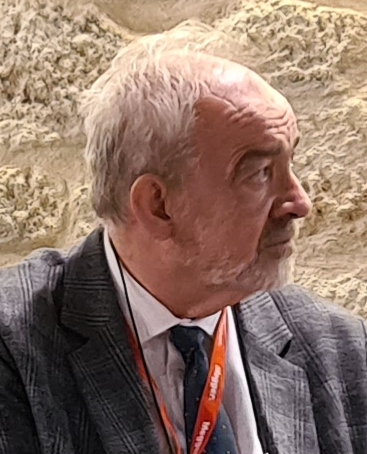 This lecture presents a step-by-step analysis of magnetostrictive forces within the core of a 240 MVA transformer, focusing on how these forces evolve across lamination sheets. Using a two-dimensional finite element model of a five-limb core, the study incorporates orthotropic and nonlinear magnetic permeability to simulate stress and strain over time. The resulting forces and moments are calculated across segmented core regions and transformed into the frequency domain using Fourier analysis.
The session highlights how magnetostriction, modeled from the Becker-Döring equation, impacts structural and acoustic behavior, and emphasizes the need for multi-parameter representation in transformer design. Attendees will gain insights into advanced modeling techniques and practical guidelines for improving core performance and vibration analysis.
Professor Witczak has led numerous industry-funded projects, including for Crompton Greaves, India, from 1998 to 2000, OTIS United Technologies, USA, from 2001 to 2012, and Hitachi Energy (formerly ABB), Poland and Germany, since 2017. His main research interests include the design and measurement of electrical machines and power transformers, with particular emphasis on numerical modeling of magnetic vibrations and acoustic emissions.
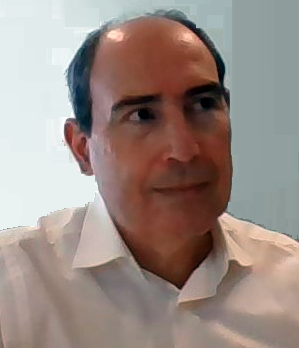 Traditionally, Red Eléctrica has been applying three generic maintenance categories to power transformers: corrective, preventive, and predictive, based on the knowledge and experience acquired over the years and the knowledge provided by manufacturers.
In recent years, the improvement and availability of monitoring tools have enabled progress in a new mode of asset operation and maintenance based on their condition, with the ultimate goal of increasing system security and reducing life cycle costs. The optimum of both objectives should serve as a basis for establishing a strategy towards the deployment of these monitoring tools in the existing and future fleet of assets.
He holds a Master’s Degree in Electrical Engineering from the Universidad Politécnica de Madrid and brings over two decades of experience in the energy sector. He has played a key role in the technical evaluation and acceptance of power transformers, collaborating closely with manufacturers and utilities to ensure performance and reliability. He is also an active participant in industry forums and conferences, contributing to the advancement of best practices and innovation in high-voltage asset management.
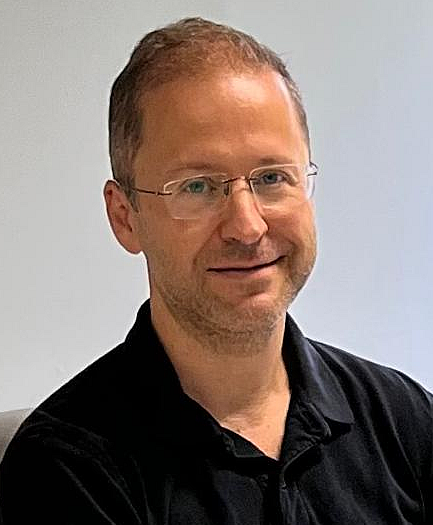 The lecture presents key insights from 25 years of oil diagnostics performed on over 200 power
transformers in a transmission grid. Long-term trends in DGA, furan analysis, and physicochemical
parameters reveal patterns of aging, early fault indicators, and long-term stability. The results support
condition-based maintenance and demonstrate how oil analysis can evolve from a diagnostic tool to a
powerful predictor of transformer health.
The lecture presents key insights from 25 years of oil diagnostics performed on over 200 power
transformers in a transmission grid. Long-term trends in DGA, furan analysis, and physicochemical
parameters reveal patterns of aging, early fault indicators, and long-term stability. The results support
condition-based maintenance and demonstrate how oil analysis can evolve from a diagnostic tool to a
powerful predictor of transformer health.
He holds an MSc in Electrical Engineering from the University of Porto and has over two decades of experience in the energy sector. Mr. Soares has been an active speaker at industry conferences and has collaborated with utilities and equipment manufacturers around the world on best practices and innovation in asset management.
 This presentation describes the IBERDROLA experience gained, and the results obtained in the development of a single transformer design which can be filled indistinctly, depending on the location where it will be installed, with mineral oil or with bio-based hydrocarbon oil. When we talk about a unique design, we mean that nothing else except the dielectric oil with which the transformer is filled can vary. Basically, this requirement results in improving the ability to react to unforeseen events, not being necessary to duplicate the references of bushings, OLTC parts or even spare relays as well as avoiding errors in the field by using the spare part suitable for another liquid.
Results of the factory acceptance tests, and site acceptance tests run tests on one of these single transformers are shown. Effect of the insulating liquid shown in the overall performance of such units will be debated.
From 2006 to 2009 he started researching on thermal management of transformers as a consultant, and later in 2010 he joined Efacec Transformers Business Unit. Up to 2023 he cross-cutted different R&D and engineering roles in Efacec from research and development to the global management of the technology of the group. In 2023 he joined Nynas as a technical expert on the application of transformer oils in power transformers, distribution transformers, instrument transformers and switchgear. Hugo currently supports technical sales and marketing to customers and end-users worlwide with focus across Europe, Middle East, Africa and India.
Dr. Hugo authored multiple publications related with transformers modelling, testing and monitoring of transformers. He is a CIGRE expert actively involved in multiple Working Groups and a member of IEC Spanish TC 10.
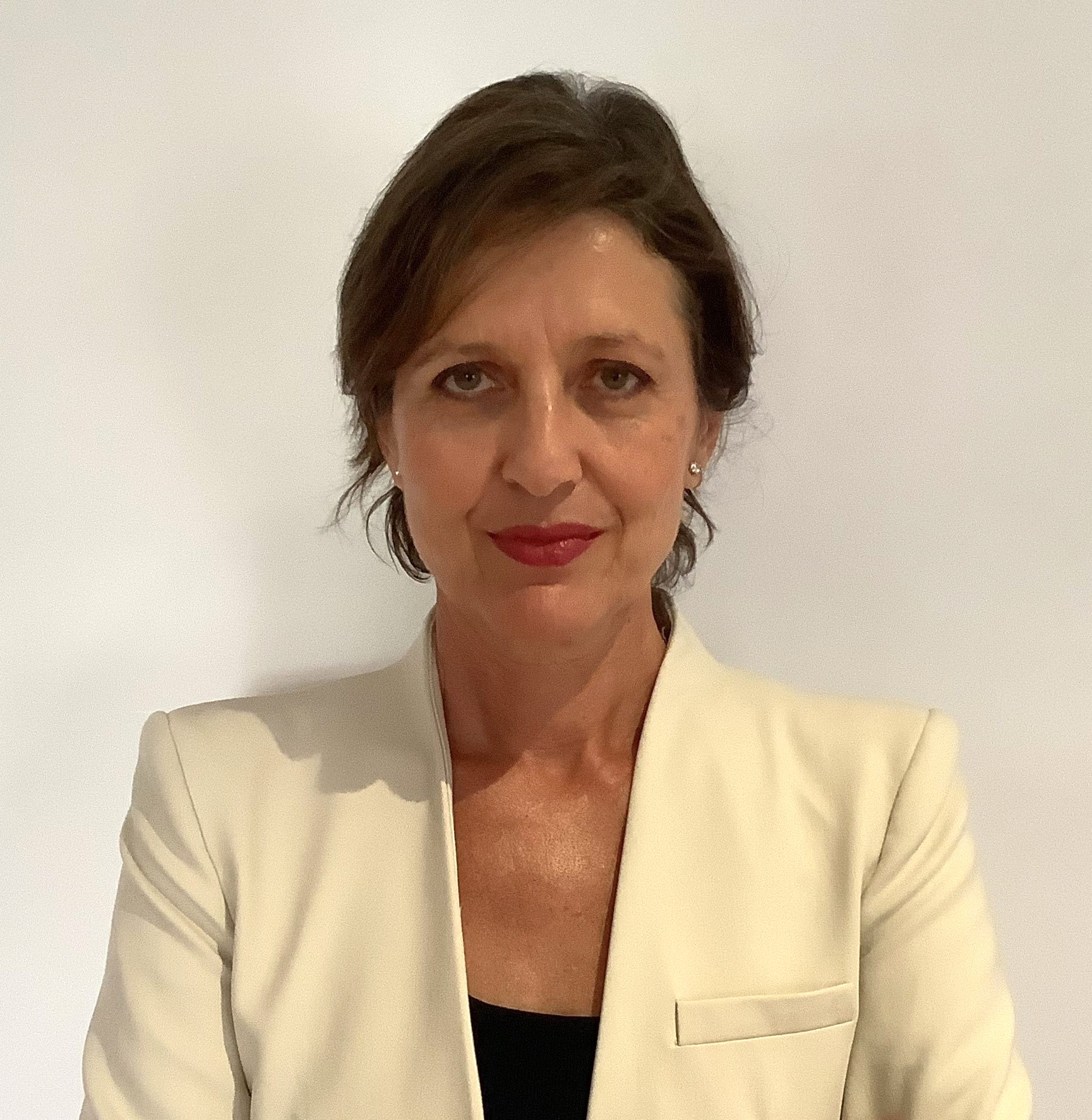 Short-circuit withstand capability is critical for power transformer performance. Standards such as IEEE and IEC allow validation through testing or design review, comparing mechanical stresses to those from tested units or internal design criteria. Manufacturers use models—ranging from analytical methods to 2D/3D simulations—to estimate electromagnetic forces and assess failure modes. Key factors include boundary conditions, core saturation, and winding geometry. Dynamic analysis requires accurate insulation characterization to determine amplification effects. Experimental validation is essential, with options from full-scale short-circuit tests to targeted model testing. This presentation emphasizes the value of prototype testing for failure analysis and development, including real-time monitoring and controlled failure scenarios, with practical examples of model-based approaches.
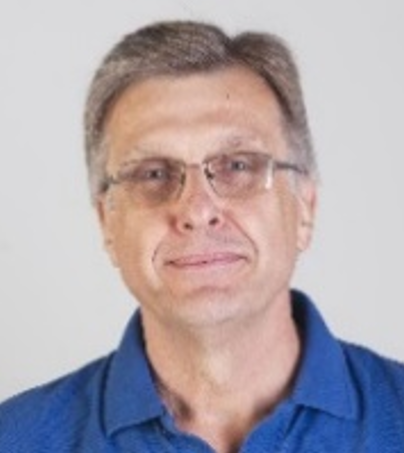 Partial Discharge Monitoring (PDM) systems should ensure that signals from incipient PD defects are reliably detected, monitored, and interpreted, so that asset managers can take prompt and appropriate actions to prevent equipment malfunction.
The lecture provides the hardware and software requirements of modern ultra-high frequency (UHF) partial discharge monitoring (PDM) systems, and a guidance for more effective use of UHF PDM systems. It is based on abundant collected knowledge from the field combined with understanding the expectations and needs of end-users. A PDM system should reliably detect, monitor, and interpret the signals from incipient PD defects, so that asset managers can take prompt and appropriate actions to prevent equipment malfunction.
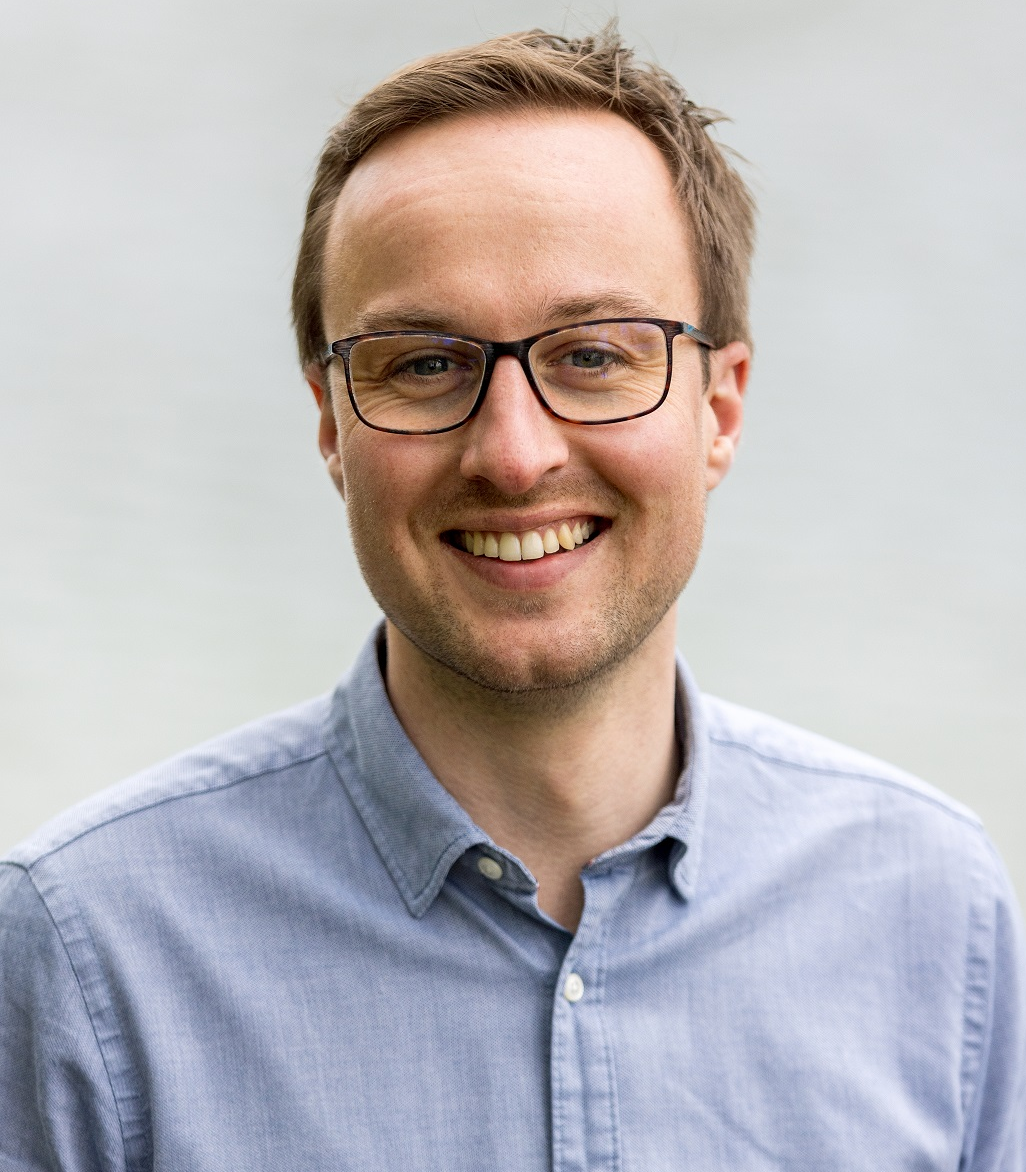 Today’s power transformers must operate in increasingly demanding environments—urban areas with limited space, rising efficiency expectations, and dynamic grid conditions that require precise voltage regulation and high reliability. These challenges push the limits of conventional on-load tap-changer technology, demanding solutions that reduce footprint, simplify mechanical design, and ensure long-term operational resilience. In response, the Electromechanical Development division of Maschinenfabrik Reinhausen has engineered a next-generation tap-changer system through five years of iterative design and real-world pilot validation. The outcome is a fully integrated vacuum-based tap changer that eliminates traditional drive shafts and mechanical energy storage.
In this lecture, we will present in-depth technical insights into the behavior and performance of the newly developed tap changer—introduced as the VACUTAP® VI. Special attention will be given to its its mechanical and electrical advantages over legacy designs. The results validate its capability to address today’s transformer and grid operational requirements.
 The comparative analysis between Frequency Response Analysis (FRA) and other transformer diagnostic methods has been addressed in the literature; however, detailed
documentation regarding the potential discrepancies that may arise in the field depending on the type of test, winding construction, and applied test voltage is lacking.
The comparative analysis between Frequency Response Analysis (FRA) and other transformer diagnostic methods has been addressed in the literature; however, detailed
documentation regarding the potential discrepancies that may arise in the field depending on the type of test, winding construction, and applied test voltage is lacking.
This lecture shows the challenges associated with correlating FRA measurements, with routine offline testing. Theoretical fundamentals are discussed, and actual field measurements are presented to provide a clear and concise understanding of the inherent advantages and limitations of low-voltage single-phase FRA measurements.
Several case studies are presented, where FRA measurements together with Transformer Turns Ratio and Leakage Reactance tests are performed on different transformers. The results show that a low voltage single-phase test may or may not comply with acceptance criteria, depending on the transformer design.
Diego received his Ph.D. in Electrical Engineering in 2009 from Tennessee Technological University while researching power system optimization with a focus on aging equipment.
 As the energy transition accelerates, the rise of renewable sources and inverter-based resources (IBR) is driving a growing demand for shunt reactors to regulate voltage and balance reactive power. Modern grid configurations—characterized by longer, higher-voltage cables and expanded networks—require significantly larger reactor capacities. Consequently, many operators are shifting toward high-power, three-phase reactors, while legacy testing facilities, originally built for single-phase HV units, struggle to meet current demands.
This presentation explores the evolving technical challenges in reactor testing, including space and weight limitations, component ratings, noise constraints, and lab configurations. It introduces a comprehensive design strategy that integrates capacitors, frequency converters, and tailored transformer specifications to deliver a robust, efficient, and scalable testing solution for today’s grid realities.
 This lectures presents a novel method for identifying transformer-specific thermal parameters to enhance the accuracy of hot-spot temperature estimation and enable Dynamic Thermal Rating (DTR). Traditional models, such as those defined in IEC 60076-7:2018, rely on generic parameters that often fail to reflect the true thermal behavior of individual transformers—especially under variable operating conditions driven by renewable energy integration. The proposed approach reformulates the standard thermal model into a state-space representation, improving parameter observability and interpretability. Using an Unscented Kalman Filter (UKF), the method estimates key parameters through a two-stage process based on real-time measurements of oil temperature, hot-spot temperature, ambient conditions, and load. A case study demonstrates the effectiveness of the technique, validating its application in deriving time-varying load limits that respect thermal constraints. The results show significant potential for optimizing asset utilization while maintaining reliability, especially under favorable ambient conditions. Future work will explore scalability across transformer fleets and integration into grid operation strategies.
 The lecture presents an approach to evaluating thermal behavior and moisture distribution in liquid-filled transformers under dynamic operating conditions. It introduces an improved method that combines thermal analysis with moisture estimation, tracking water migration between liquid and solid insulation. By examining moisture content at various points within the transformer, the approach offers a detailed view of how moisture behaves under changing temperatures. This insight supports enhanced performance and reliability. Additionally, precise assessments of insulation aging contribute to more efficient material use and optimized transformer design.
Ali earned his Ph.D. from Friedrich-Alexander University in Erlangen, Germany, in 2014. Since 2015, he has focused on transformer research and development. In 2022, he joined Hitachi Power in Germany as a Business R&D expert and global team leader.
He actively contributes to standardization efforts and CIGRE working groups. In 2024, he received the IEEE EIC Conference’s Best Technical Paper Award in the Transformers and Reactors session.
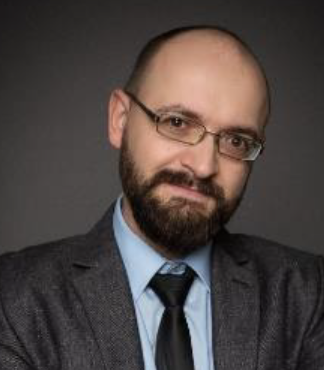 This lecture explores the transformative role of on-line bushing monitoring as a proactive strategy for safeguarding insulation health in live high-voltage systems. By continuously tracking key parameters such as dielectric strength (C1) and leakage current, this technology enables early detection of slow-developing faults—like moisture ingress and localized overheating—that often go unnoticed in traditional offline inspections.
Attendees will gain insight into how real-time monitoring enhances predictive maintenance, reduces the risk of catastrophic failures, and supports smarter asset management. The session also highlights integration with SCADA and digital platforms, positioning on-line monitoring as a cornerstone of reliability-centered maintenance (RCM) and smart grid evolution.
This lecture explores the transformative role of on-line bushing monitoring as a proactive strategy for safeguarding insulation health in live high-voltage systems. By continuously tracking key parameters such as dielectric strength (C1) and leakage current, this technology enables early detection of slow-developing faults—like moisture ingress and localized overheating—that often go unnoticed in traditional offline inspections.
Attendees will gain insight into how real-time monitoring enhances predictive maintenance, reduces the risk of catastrophic failures, and supports smarter asset management. The session also highlights integration with SCADA and digital platforms, positioning on-line monitoring as a cornerstone of reliability-centered maintenance (RCM) and smart grid evolution.
His employment experience includes leading of multiple international projects at such companies like Rheinmetall Defense, ALSTOM Transmission & Distribution and General Electric Company. He is currently the leading technical expert for monitoring and diagnostics solutions for European and African region, with special fields of interest in high frequency partial discharge (PD) and online DGA monitoring data analysis. Active member of CIGRE JWG A2/D1.74.
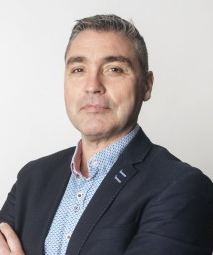 This presentation provides a concise overview of the evolution and application of ester fluids in power transformers. Originally introduced for fire safety, natural and synthetic esters now offer a credible alternative to mineral oil, with better environmental performance, higher flash points, and strong insulation properties.
The session explores the impact of ester fluids’ permittivity and viscosity on electric field distribution, thermal behavior, and design in transformers rated 220 kV and above.
Carlos Galindo will share insights from lab research, field operation, and case studies—including retrofitted and purpose-built transformers up to 750 kV—demonstrating reduced fire risk, biodegradability, improved moisture tolerance, and extended insulation life.
Key design challenges such as cooling, dielectric clearances, and testing protocols are addressed, positioning ester fluids as a proven, sustainable option for next-generation transformers.
He served for 15 years as Commercial Director at ALKARGO S. Coop, a manufacturer of power transformers, and since 2023 has held the position of Commercial Director at CHINT ELECTRIC CO, a leading Chinese manufacturer of high-power transformers and high-voltage equipment.
Carlos has been actively involved in industry organizations. He was a member of the Executive Committee of T&D Europe—the European association for the electricity transmission and distribution equipment and services industry—where he contributed to several working groups: WG2 (Lobbying & Strategy), WG2a (Statistics), WG3b (Transformer Technology), and the Harbours task force. He also served as President of the Internationalization Committee of AFBEL, the Spanish Association of Electrical Equipment Manufacturers.
Special Session [AI in Transformers] by S.V. Kulkarni
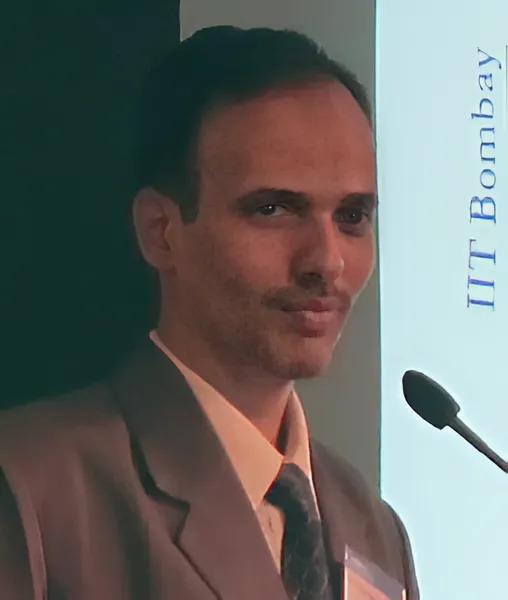 Applications of Artificial Intelligence (AI) to transformers are exponentially increasing to reduce material and maintenance costs, enhance quality and reliability, and assess health and remnant life. Conventionally, before advances in AI, various optimization and decision-making tools were used, which were unable to handle many applications that involve complex classifications, multi-objective optimization, coupling of multiple physical fields, and data-driven decision-making. The components or methods of AI include machine learning techniques, expert systems, fuzzy logic-based algorithms, metaheuristic methods, and robotics/ automation. Some of the specific applications of AI in transformers include design optimisation, multiphysics modelling, fault detection and diagnosis, condition monitoring and predictive maintenance, load forecasting, remnant life estimation, and smart grid integration. In the area of health assessment and indexing, machine learning (ML) models are being extensively used for dissolved gas analysis, partial discharge pattern recognition, profiling of vibrations and temperatures, etc. Among ML techniques, the support vector machine algorithm (supervised learning), the K-means clustering algorithm (unsupervised learning), and advanced architectures of neural networks (reinforcement learning) are popular. In this article, two case studies involving the application of AI in transformers will be discussed. The first one, which is for the designing stage, is related to core loss estimation for ferromagnetic core materials. By using ML-based, data-driven methods like neural networks, core loss for varying operating conditions (e.g., non-sinusoidal excitation) can be accurately predicted. In the second case study, a Multi-Criteria Decision Making (MCDM) based ML approach for health indexing of transformers is presented, which can overcome the limitations of MCDM techniques in handling challenges due to data uncertainties and output categorization for a large number of attributes and samples.
He has authored a book, Transformer Engineering: Design, Technology, and Diagnostics, Second Edition, published by CRC Press in September 2012, and he received IIT Bombay Research Dissemination Award 2016 for the book. He has adapted an undergraduate textbook on electromagnetics for Asia, Principles of Electromagnetics, Oxford University Press, published in October 2015. He delivered an NPTEL MOOC Course on ‘Electrical Equipment and Machines: Finite Element Analysis’ in 2020. He has also developed a Virtual Electromagnetics Laboratory to effectively teach involved concepts using real-life practical examples and field visualizations, which has attracted more than 38,000 visitors till now.
His extensive interactions with the transformer and power industries are reflected in his numerous consultancy projects for them. He has organized several training programs on transformers and computational electromagnetics for engineers from industries and academia in India. He has also set up the Field Computation Laboratory and the Insulation Diagnostics Laboratory in the Electrical Engineering Department at IIT Bombay. He contributed to his Institute in infrastructure development and administration through positions of Associate Dean-II (Infrastructure, Planning, and Support) and Dean (Administrative Affairs), respectively.
He has more than 220 publications in reputed journals and conferences, and has nine Indian and two US patents to his credit. His current areas of research include Analysis and Diagnostics of Transformers, Electromagnetic and Coupled Field Computations, Modelling of Magnetic Materials, Insulation Diagnostics, and Energy Transition.
Tutorial [Physics-Informed AI] by Dr. Joxe Aizpurua
 Hybrid intelligence combines physics-based knowledge with deep learning to create robust, reliable, and interpretable AI solutions for transformers. This tutorial covers neural networks, convolutional architectures, physics-informed neural networks, and reinforcement learning for transformer control. It addresses limited labeled data using few-shot, transfer, and self-supervised learning, plus emerging graph-based models. Case studies demonstrate fault diagnostics, remaining life prediction, thermal modeling, and control optimization, offering a comprehensive view of hybrid intelligence in transformer asset management.
He holds a Ph.D. in Telecommunications Engineering from Mondragon University, Basque Country, Spain, where he developed his Ph.D. thesis. His research journey began at the Signal Processing and Communications Group at Mondragon, and included visiting positions at the University of Hull (UK), collaborating with the Dependable Intelligent Systems team, and at CAF Power & Automation, where he built a proof-of-concept aligned with his doctoral work.
From 2015 to 2019, Joxe was a postdoctoral researcher at the University of Strathclyde (Scotland, UK), contributing to the Institute for Energy & Environment. There, he worked closely with industry partners—including Bruce Power, EDF Energy, Babcock International, Kinectrics, and DNV Maritime—developing prognostics and health management solutions for power transformers, circuit breakers, and cables, as well as substation-level risk models. Many of these tools have been deployed to support real-world decision-making in power systems.
Upon returning to the Basque Country, he served as Lecturer and Researcher at Mondragon Unibertsitatea from 2019 to 2024, and was awarded a Juan de la Cierva Incorporación Fellowship by the Spanish Research Agency (2021–2023).
His research interests span intelligent systems, dependability engineering, and predictive maintenance, with a strong focus on bridging academic innovation and industrial application in critical infrastructure.
Organisers and Early CoTechnical Members